
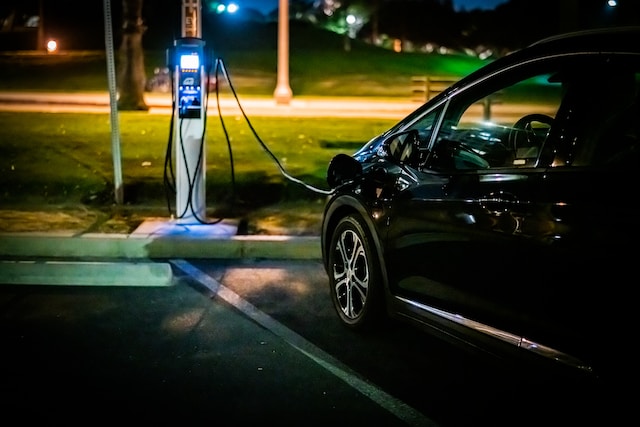
British motorists are turning to Electric Vehicles (EVs) and hybrid cars in droves, and with this comes a pressing need for electricians who are trained to work on EV charging infrastructure in homes and business premises. In March 2023, there were approximately 735,000 electric vehicles on the roads across the UK, as well as 480,000 plug-in hybrids (PHEVs). To service this growing number of electric vehicles, the government is aiming to achieve 300,000 public electric vehicle charge points by 2030!

Electric vehicles provide an effective way to reduce emissions from transport, as they produce no tailpipe emissions when driven, so with more and more drivers looking to transition to electric cars for both their environmental benefits and lower operating costs, it is likely that this number will continue to grow on UK roads in the coming years.
EVs And Electrical Safety
EVs and their supporting infrastructure come with a wide range of unique safety concerns. Without adequate safety measures in place, users can be exposed to potential shock hazards or even fires from faulty EV charging stations. For business and individual users, therefore, it is essential to follow all manufacturer’s instructions when using EV chargers and to inspect them regularly for signs of wear and damage.
Also, effective cord management should be practised by keeping the cord on its holder and tucking away excess lengths while charging. From an installation perspective, meanwhile, it is essential that EV charging stations are installed and integrated safely with the building’s electrical wiring network, as well as making sure that the charging point is properly earthed.
What Are The Implications Of This Emerging Trend For Practising Electricians?
For a start, it means that most electricians who qualified more than a couple of years ago will need to refresh their knowledge and competencies to service the needs of the growing EV sector. As it stands, the required skills and infrastructure needed to support the implementation of EV charging stations are far behind schedule. This impact not only means that the industry could potentially miss its 2030 climate goals, but also threatens to stall the adoption of electric vehicles among consumers.
Investing in electrical training for EV infrastructure is, therefore, one of the best training routes available for qualified electricians, and anyone thinking of entering the industry as a newly qualified electrician should carefully select a training provider that includes EV installations as part of their course syllabus and knowledge base.
Electricians who are competent with EV infrastructure will be in high demand among businesses and individual customers in the coming years, as the transport industry reorientates itself around vehicles based on electricity.
Future Proof Your Business And Career
Electric vehicle use in the UK is on an upward trajectory. With increasing numbers of EVs being registered each year, there is no better time to specialise in EV Charging installation and maintenance. An EV Charging training course will provide you with the necessary skills and knowledge to work on EV installations effectively and safely, covering topics such as charging systems, legal regulations and guidelines, electrical safety, and troubleshooting – as well as giving you the knowledge and skills necessary to deliver a safe and quality service to your customers.
If you’d like to find out more about becoming a qualified electrician with PTT, or about how to expand your skill base to include EV installations, please contact us today.

Image Source: Unsplash


