
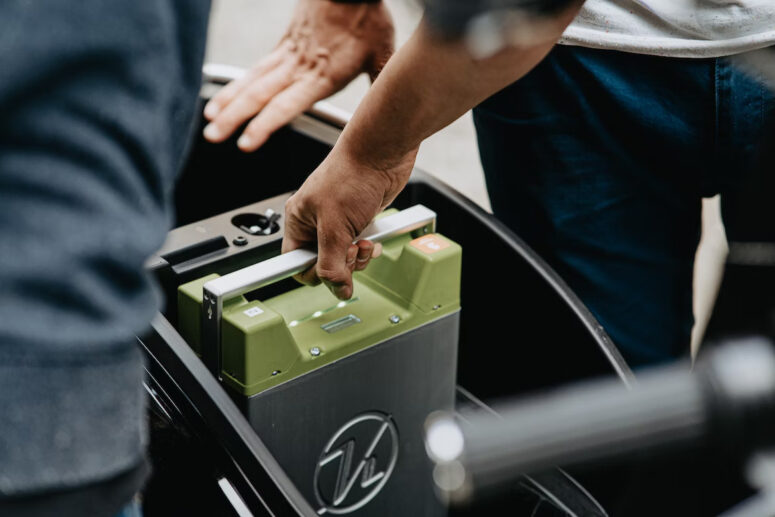
Battery storage systems or Electrical Energy Storage Systems (EESS) are advanced technological solution that allows the storage of electrical energy in large batteries for later use. EESS systems are growing in popularity among both homeowners and businesses and, as the technology matures, such devices are becoming more accessible in price and availability.
The benefits of battery storage systems for users include energy savings, improved efficiency, and increased sustainability by lowering the consumption of mains power. In this article, we take a brief look at what commercial battery storage systems are, how they work, and how their adoption could affect your work as an electrician.

What Does An EESS Do?
The primary function of a battery storage/EESS device is to retain electricity for later use. Battery storage systems are frequently used alongside renewable energy sources in order to store excess power to guarantee an uninterrupted power supply at all times – thus overcoming the intermittent nature of renewable power. Surplus energy can be stored during periods of low demand and deployed at peak demand periods, or when renewable energy is not available.
Without a battery storage system, homes and businesses that use renewable power must draw on mains electricity when renewable energy is not available. By investing in a battery storage system, businesses and homeowners can further reduce their dependence on mains electricity, and subsequently on traditional fossil fuels.
For example, when used in conjunction with a solar panel system, solar panels will generate electricity during the day to directly power the home or business, while the excess power is stored within the batteries. This stored energy is then released to provide a steady supply of electricity at night when the sun is not shining. Most battery storage systems can also be charged directly from the electric mains, or by using a vehicle charging point – creating a backup electric supply in case of power outages.
Benefits Of Battery Storage Systems
For users, there are substantial cost savings to be had from investing in a battery storage system. Even an expensive system has the potential to recoup its costs through energy savings within a few years, and the energy harvested within a device can be deployed for almost any application, from running computers and storage heaters to TVs, microwaves, and hot water tanks. Large-scale battery storage systems can even be used to channel energy to electric vehicles.
The biggest operational benefit for users is their reliability, with the system providing a consistent current of electricity on demand, with no interruptions in the flow of renewable energy. Wider societal benefits include increased national grid stability, as the energy stored in individually owned battery systems can reduce the pressure on the national grid during periods of high demand. Power generation suppliers can also use large-scale commercial battery farms to offset the need for additional power generation, making commercial battery storage systems an integral part of the smart grid system of the future.
Advanced Electrical Training Courses From PTT
At PTT, we offer a range of training courses in Electrical Energy Storage Systems. During these courses, trainees will learn how to safely install an EESS to the relevant safety standards designed to meet the customer’s needs and enable them to make long-term savings on their energy bills. To find out more, please contact us today.

Image Source: Unsplash


