
CONTENTS

Introduction: The Benefits of Investing in Telecoms DC Power Training
Specialist telecoms DC power training equips electricians, technicians, and field engineers with the skills and knowledge they need to design, install, and maintain reliable DC power systems, which are the backbone of modern telecommunication networks.
As commercial telecoms infrastructure diversifies to integrate technologies such as 5G and fibre optic broadband, the demand for skilled DC power engineers will continue to grow. Electrical contractors with this expertise are better positioned to win work, increase customer satisfaction, and drive profitability.
In this guide, we will look at what telecoms DC power systems are, the technologies used, the regulatory landscape, and how training can benefit your team.
Who Can Benefit From Telecoms DC Power Training?
For large multi-site businesses with an extensive telecoms infrastructure, investing in telecoms DC power training for your field engineers and technicians can significantly strengthen your in-house capabilities. It will allow your team to:
 Handle inspection, installation, and maintenance of DC-powered telecoms equipment.
Reduce your dependence on third parties and external contractors.
Improve responsiveness and operational control.
For contracting and support businesses, meanwhile, diversifying your skillset into telecoms DC power systems will let you tap into a growing and lucrative service sector. You can support clients in scaling their telecoms infrastructure to meet growing data requirements while also improving energy efficiency and reducing environmental impact.
If you have any questions or would like to find out more about our training solutions, please contact PTT today by clicking here.
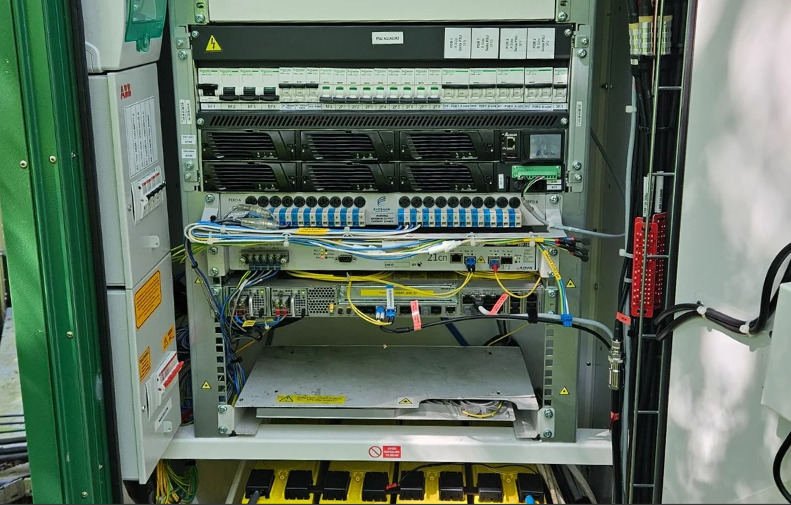
What Are Telecom DC Power Systems?
In a Direct Current (DC) power system, electrical charges flow in one constant direction, delivering a stable and consistent power source. DC systems can be backed up with batteries to maintain power in the event of mains AC (Alternating Current) failures. This is crucial for ensuring the reliability of business telecommunications networks and avoiding downtime and fluctuations in service.
The AC system remains the standard for general electrical distribution in the UK. In this system, the direction ‘alternates’, with the voltage and current periodically reversing direction. While AC power systems are highly efficient at distributing power, they do experience occasional fluctuations and outages. This makes them less reliable when used for telecoms equipment.
This reliability is why DC power is critical for telecoms networks. It provides a constant and stable energy flow, ensuring continuous operation, protecting against service interruptions, and supporting backup solutions like UPS and battery storage.
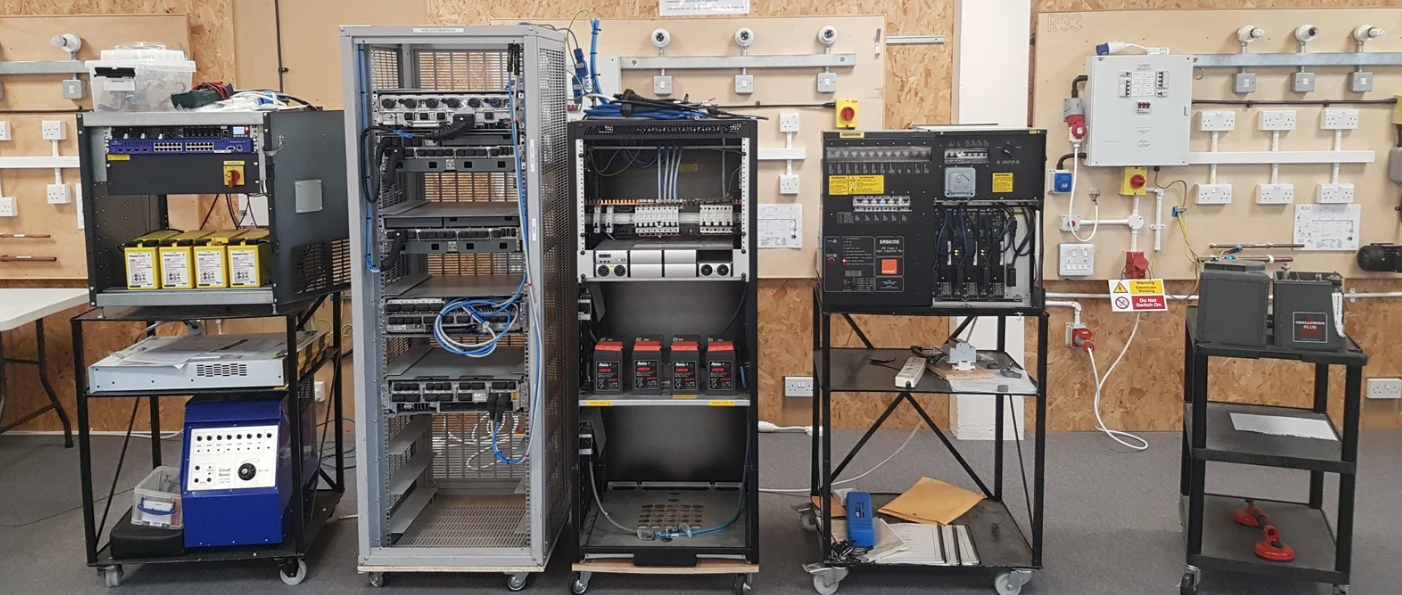
Converting AC to DC Power
Creating an Uninterruptible Power Supply, or UPS system, can help you avoid disruption from power outages. A UPS converts AC into DC to store energy in batteries, which can then deliver short-term emergency power during an AC outage.
For example, a small office UPS might take the standard AC from the wall and charge its internal battery so that a computer can keep running for 10–15 minutes if the power goes out.
Think of it like filling a water tank from a flowing pipe. The AC power from the grid is the flowing pipe, the battery is the tank storing water, and the devices in your office are taps. If the pipe suddenly stops, the tank can still supply water to keep the taps running for a short time.
The wider availability and reliability of renewable power sources, such as solar panels and wind turbines, combined with advanced battery storage systems, open up new possibilities for telecoms.
DC power from these renewable sources can be stored in batteries and integrated more directly into telecoms power structures. This reduces energy conversion losses and makes networks more efficient and resilient.
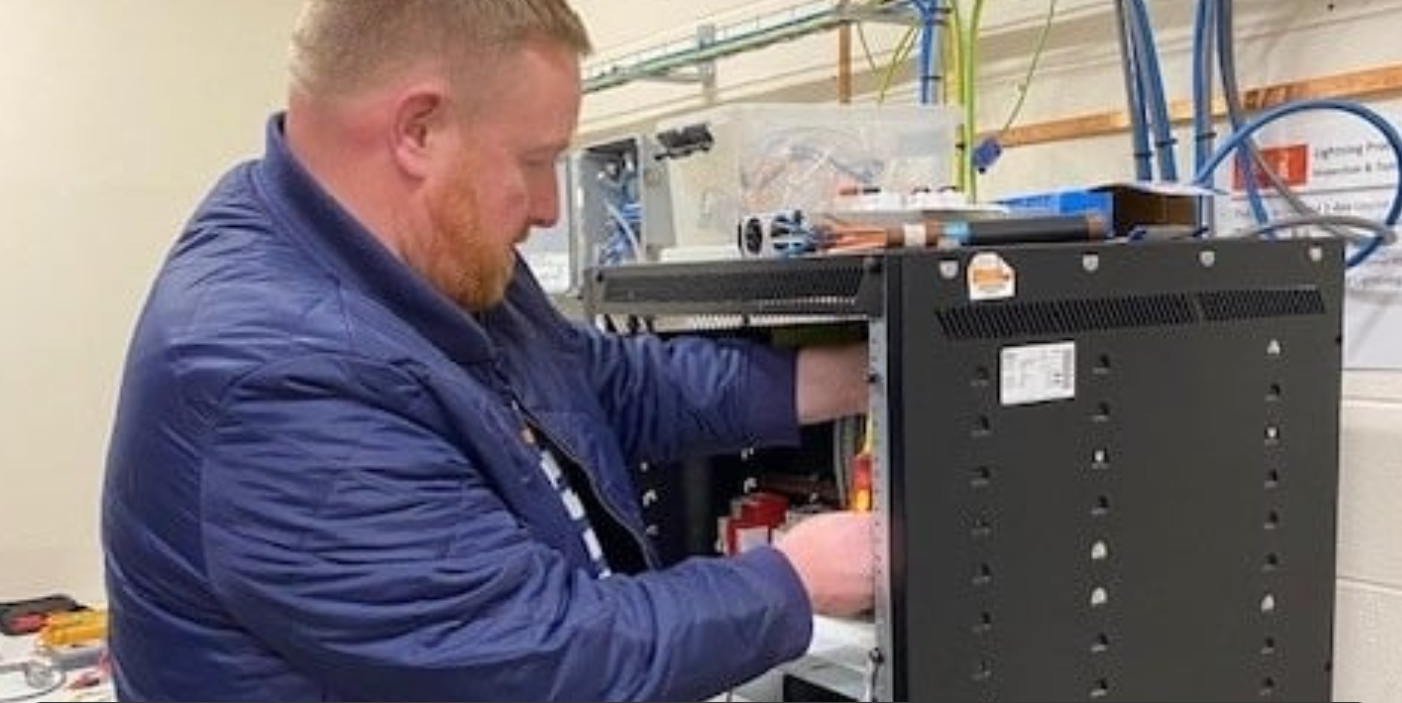


If you are looking to improve your team’s skills in telecoms DC power systems, this guide is for you. Here, you will learn how specialist training can help your team meet growing demand and boost business growth.
Discover:
⚡The Role and Importance of Telecoms DC Power Systems
⚡Who Can Benefit from This Specialist Training?
⚡Career and Business Growth Opportunities
To get instant access to your guide, simply complete the provided form.
Advanced Features and Standardised Training
Modern telecoms DC power systems often include advanced features, such as remote monitoring and management tools, enabling more efficient oversight and maintenance of telecoms power systems from a central location.
Faced with a complex and rapidly evolving technological and regulatory landscape, the industry is currently moving towards a more standardised and officially recognised qualification framework for professionals working on telecoms DC power systems. Early adopters of specialist telecoms DC power systems training are leading the field in competency and safety standards across the sector.

The Changing Face of Telecoms Technologies and Regulatory Standards
Telecoms infrastructure is the nerve system of the digital age, and the UK telecom sector has seen various technological advancements and regulatory developments over the past few years that are changing the face of the sector. New technologies include the development of 5G networks with the capacity to support a growing number of connected devices, as well as improvements to the existing 4G network that make it more resilient and widely available.
Full fibre broadband networks now provide ultra-fast and reliable internet to more businesses and homes. Many manufacturers utilise IoT (Internet of Things) technologies to connect multiple devices and production systems through a unified, Internet-enabled network. These IoT systems, in particular, depend on a massive influx of data generated by individual devices, requiring a robust telecoms infrastructure and power matrix to maximise uptime and avoid connection faults.
Technological change goes hand-in-hand with regulatory developments. A recent example of this is the Product Security & Telecommunications Infrastructure Act 2022, which came into effect in April 2024. This legislation sets new standards for the design and resilience of telecoms infrastructure, with direct implications for businesses looking to upgrade their infrastructure or install new equipment.
High-quality training is essential for electricians and technicians to fully understand and utilise many of these modern systems. Since the field of telecommunications technology is evolving at such a pace, investing in training helps keep you current with technological shifts and legal standards, and at the cutting-edge of a dynamic sector.
Our training courses provide you and your engineers with the knowledge they need about the latest DC power systems, their configuration, how they work within the telecoms infrastructure, regulatory standards and best practices.

Job And Project Opportunities For Specialist Telecoms DC Power Businesses
Modern organisations increasingly depend on the availability of high-speed broadband and mobile connectivity, which has changed the telecoms infrastructure requirements of many businesses and increased the demand for specialist telecoms DC power system services.
Over the previous Parliament (2019 to 2024), telecoms were a central part of the Conservative government’s National Infrastructure Strategy and ‘levelling up’ agenda and have set a target for gigabit broadband and 5G to be available across the UK by 2030. This focus on cutting-edge telecoms and connectivity is likely to continue into the current Labour-led Parliament and beyond.
An evolving regulatory landscape, increased commercial data demands, and changing work patterns are prompting many businesses to upgrade their telecoms systems. To meet this need, there will be more need for experienced telecoms power system engineers, technicians, project managers, and electrical professionals with the skills to design, install, maintain, and repair the latest generation of telecoms DC power systems.

Professional Development and Staff Retention
For electricians and field engineers, obtaining proficiency in DC power systems offers several key opportunities and benefits:
- Expanded job prospects within an industry where qualified professionals are in strong demand.
- Stronger business positioning for contracting companies investing in DC power training, helping attract promising talent.
- Enhanced reputation for performance and value by demonstrating specialist technical capability.
- Improved staff retention, as employers who invest in training are more likely to retain skilled engineers.
- Greater resilience against the ongoing UK skills shortage, helping businesses maintain a competitive workforce.

Business Development Opportunities
Specialist telecoms DC power businesses have the potential to diversify into numerous project opportunities in the telecoms sector as it continues to grow and evolve.
Some key areas of opportunity include:
 5G infrastructure development – Deliver DC power solutions, installation, and maintenance for 5G base stations and cells.
Data centre expansion – Design and/or implement uninterruptible power supply (UPS) systems and backup power solutions for the growing UK data centre market. This will be especially important for data centres that use edge computing, which requires localised processing power closer to end-users.
Renewable energy infrastructure – Manage and develop hybrid power systems for commercial and public customers that combine traditional AC power with eco-friendly DC energy sources derived from wind and solar.
Telecoms tower upgrades – Retrofit existing telecoms towers with advanced DC power systems to support higher data loads and better coverage, improving their efficiency and reliability.
IoT network support – Deliver DC power management solutions for utilities companies, hospitals, logistics businesses, and manufacturers that use IoT-connected devices and networks. The proliferation of IoT devices necessitates a more robust approach to power solutions and connectivity to ensure seamless operation.
Telecoms DC Power Training From PTT: About Our Courses
Investing in training ensures that anyone working on DC power systems is up-to-date with the latest safety regulations. It can also help engineers develop greater awareness of energy-saving practices that reduce costs and lower carbon footprints for both businesses and their customers. For electrical contractors, investing in training can open new opportunities as demand for qualified electricians in DC power systems continues to grow across the UK.
At PTT, we offer a choice of four expert electrical training courses to deepen the knowledge and competency of practising electricians and field engineers in DC electrical installations. Our courses cover key areas including installation, commissioning, maintenance, health and safety, compliance, and industry best practices.
With competitive prices and various training modalities available, PTT provides a flexible training solution for businesses and contractors looking to upskill their teams in all aspects of DC power systems for telecoms.
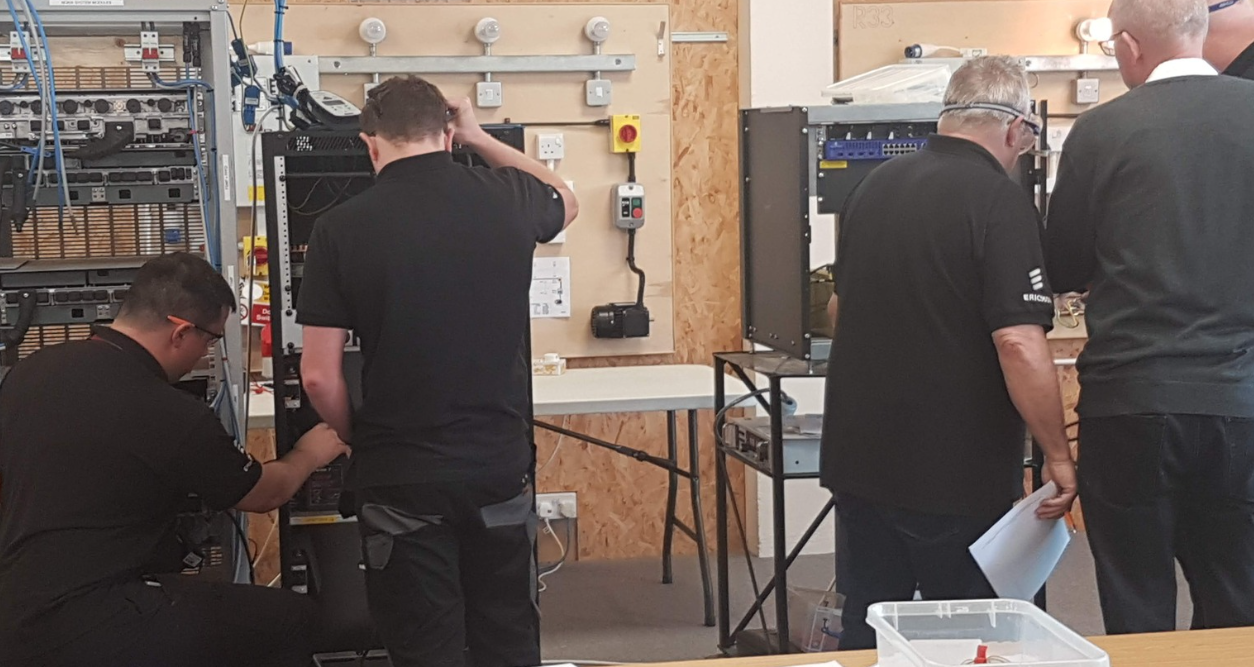
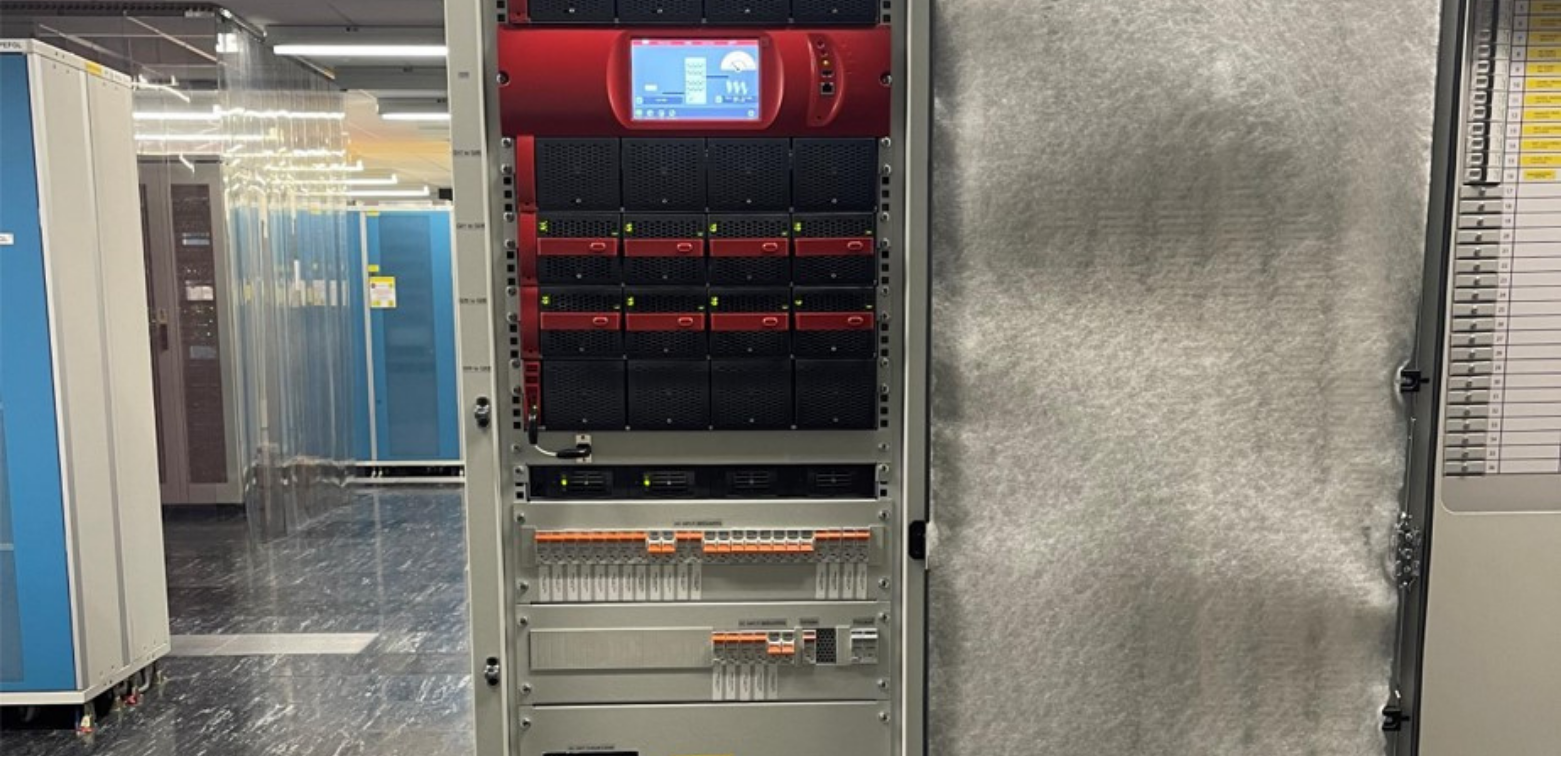
EAL Level 3 Award in DC Electrical Installations Within the Telecommunications Industry (For Field Engineers/Technicians)
Duration: 4 days
Modality: classroom and assessments
Cost: £695 + VAT – price includes an online Electrical Safety Awareness course (see below)
Suitable for: Telecoms field engineers and technicians (without an electrical qualification)
This Ofqual-registered level 3 course is delivered through a mix of presentations, face-to-face tuition, and practical exercises and focuses on the installation, inspection, and testing aspects of 48 V DC telecoms circuits.
The goal of the course is to raise awareness of the statutory and non-statutory requirements for safe working practice on electrical systems, giving engineers the practical and theoretical knowledge to operate safely and competently, in compliance with UK health and safety regulations.
The training involves four days of face-to-face training in a classroom environment, and is concluded by a two-hour theoretical and two-hour formal practical assessment at the end of the course. The learner must pass both assessments to obtain their Certificate Of Completion. Trainees are also required to take an online Electrical Safety Awareness Course, which is included in the cost.

EAL Level 3 Award in DC Electrical Installations Within the Telecommunications Industry (For Electricians)
Duration: 1 day
Modality: classroom and assessments
Cost: £395 + VAT
Suitable for: Qualified electricians who have already completed their NVQ level 3, a level 3 inspections and testing qualification, and an 18th Edition Wiring Regulations qualification.
Fully qualified electricians can enrol in a shortened version of the EAL DC electrical installations training, giving them the skills, methods, and procedures to install, inspect, test, and maintain a variety of telecoms DC power systems. The course is shorter because a lot of the theoretical and practical aspects of power telecoms equipment will have already been covered in the trainees’ electrician qualifications.
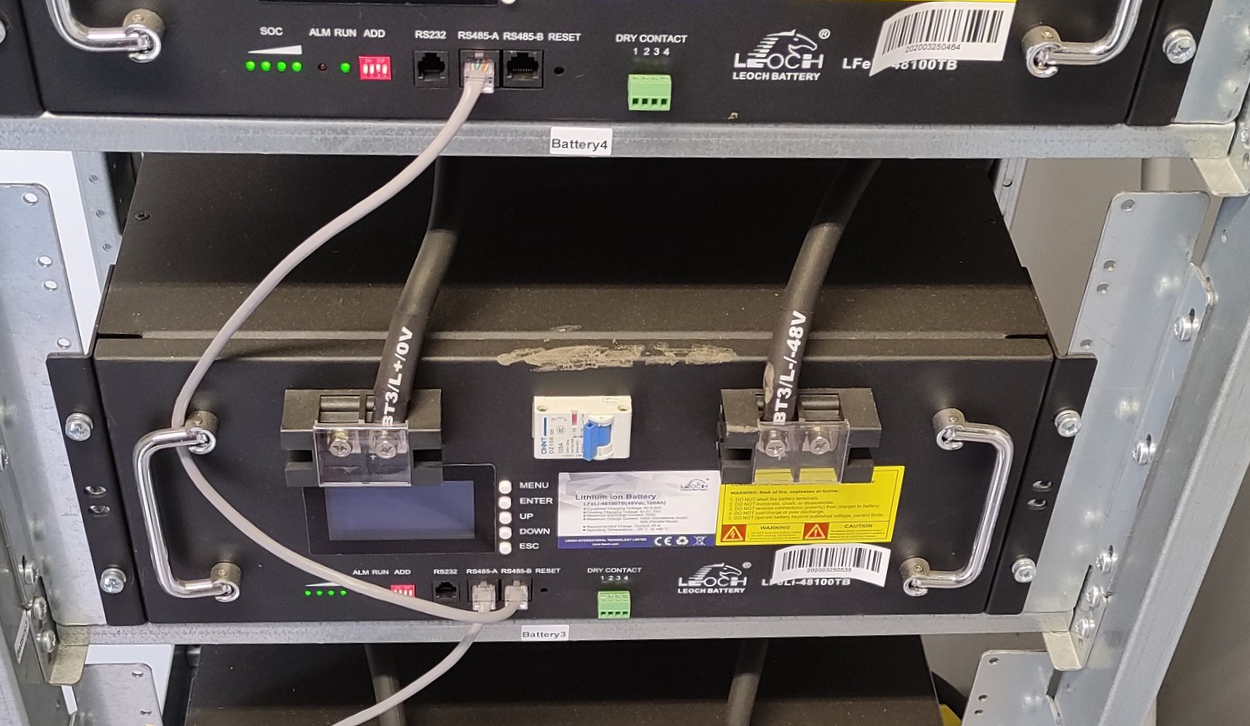
AC & DC Power Systems for Telecoms
Duration: 4 hours/6 hours
Modality: webinar or classroom
Cost: £195/£295 + VAT
Suitable for: Any telecoms maintenance or engineering professional that requires an overview of inspection, installation, and maintenance best practices for AC and DC powered equipment, but doesn’t necessarily require the same level of practical hands-on training.

This short course provides an overview and introduction to both AC- and DC-powered telecom systems, discussing the theory and practicalities involved in installing, inspecting, and testing these systems using examples of different installation types.
The course also reviews current legislation, standards, and best practices relevant to these telecom systems. Learners can take part remotely via webinar or face-to-face in a classroom.
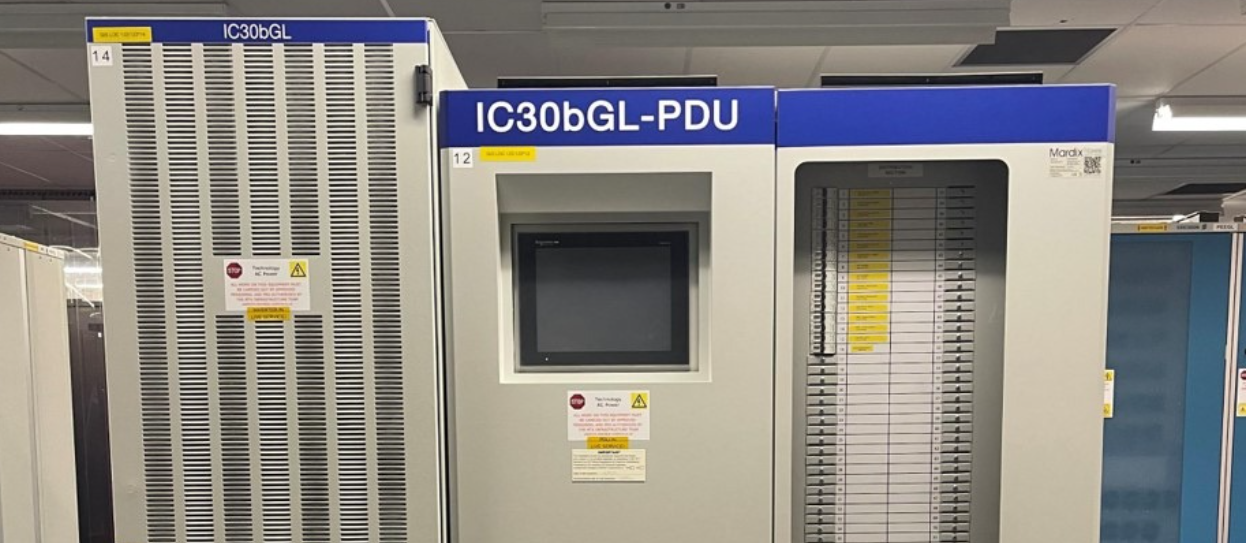
Electrical Safety Awareness
Duration: two hours
Modality: self-paced eLearning (online)
Cost: £95 + VAT
Suitable for: Managers, supervisors, engineers, and technicians responsible for, or working on or near, a telecoms AC or DC power system.
This concise electrical safety online course covers the essentials of health and safety legislation, electrical regulations, risk management, and fundamental electrical principles related to telecoms AC and DC systems. The material can be accessed online from any device and completed at the learner’s convenience, usually taking around two hours. The course can be purchased as stand-alone training and is also required for participants in our EAL Level 3 DC Electrical Installations Award for field engineers/non-electricians.
Find Out More
Please get in touch with PTT today to find out more about our flexible training courses for DC telecoms power systems.