
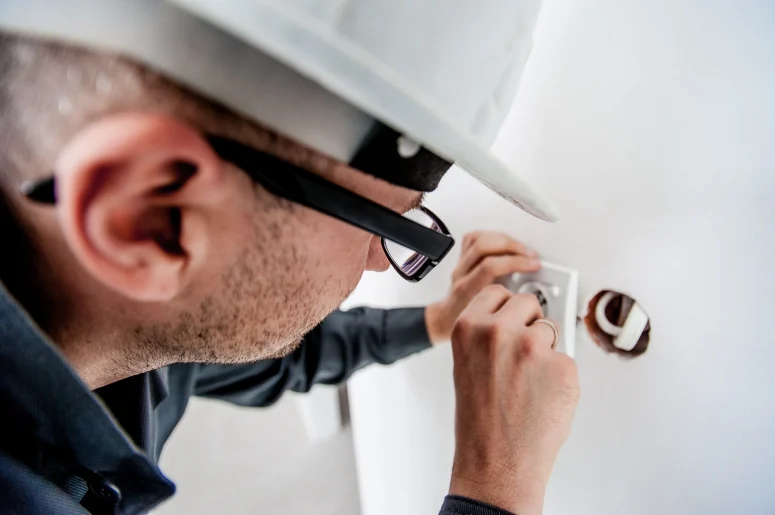
Electricity powers our homes and businesses. That means it’s vital to have electrical installations and appliances working safely and effectively. However, electrical maintenance can be expensive, and some homeowners and businesses may be tempted to a hire cheaper, unqualified ‘electrician’ to save money, or even to make repairs themselves using YouTube videos as a guide! In this article, we look at the risks to personal safety, domestic appliances and customer wallets that arise from using underqualified or inexperienced operatives, which often includes trainees, as well as engineers and technicians without up-to-date qualifications and training.
Personal Safety Risks
Nothing is more important than safety when you utilise electrical installations and appliances. The risk of accidents is real for anyone who encounters faulty systems, whether they are working on them, using them or merely in their vicinity. The most severe consequence is death. Even contact with a current as low as 10mA can be fatal if sustained for long enough. To put this in perspective, domestic appliance fuses, which are designed to protect cabling, are typically rated at 3A, 5A and 13A in the UK, so it’s clear that even everyday electricity can be lethal.
Electricity kills by causing cardiac arrest. Short of death, severe organ damage is also possible, as well as burns and tissue damage that may cause permanent scarring. Even if lasting injuries are averted, electric shocks can still be very painful. It’s just not worth taking the chance with contractors who are not adequately trained to understand the risks of working with electricity.
Damage To Appliances and Assets
Besides injury, electrical surges or short circuits can also cause harm to household appliances like dishwashers, fridges, televisions and computers. Short circuits or misconfigurations can cause excessive currents to flow which irreparably damages wiring and sensitive components of these expensive devices. Of course, it’s possible to use fuses or circuit-breakers, but if you don’t know how to specify or install them correctly, or just avoid them, the problem remains.
Fire Risk
Equally, as hazardous, electrical faults are known to cause fires. In fact, electricity is the single biggest identified cause of fires in the UK. House fires damage or destroy buildings and their contents and can also cause serious injury or death to the inhabitants.
Cost
How can electricity be dangerous to your wallet? The damage and injuries that can result from careless or faulty electrical work have consequences. Repairing buildings and replacing appliances damaged by overloaded circuits can be very expensive. And even if there is no immediate damage incurred by electrical failure, it can still result in additional expenditure. Badly fitted electrical installations will need to be replaced or repaired and substandard products used will likely have shorter lifespans.
The Benefits Of Certified Electricians
The best way to guard against these risks is to use a qualified and experienced electrician with up-to-date accreditations. Registration with a competent person scheme such as the NICEIC or the Electrical Contractors Association (ECA) for example, is a way of ensuring an electrician is competent to carry out electrical work. Possible routes include industry certification or a degree and membership of an appropriate Institution such as the IET. Qualifications backed by a recognised institution such as City and Guilds bring further confidence. For complex jobs, it’s also important to look for an engineer or electrician with relevant experience.
Find Out More
At PTT, we offer a wide range of accredited courses for trainee and practising electricians and electrical engineers. To find out more, please call 01442 828754.

Image Source: Pixabay


