
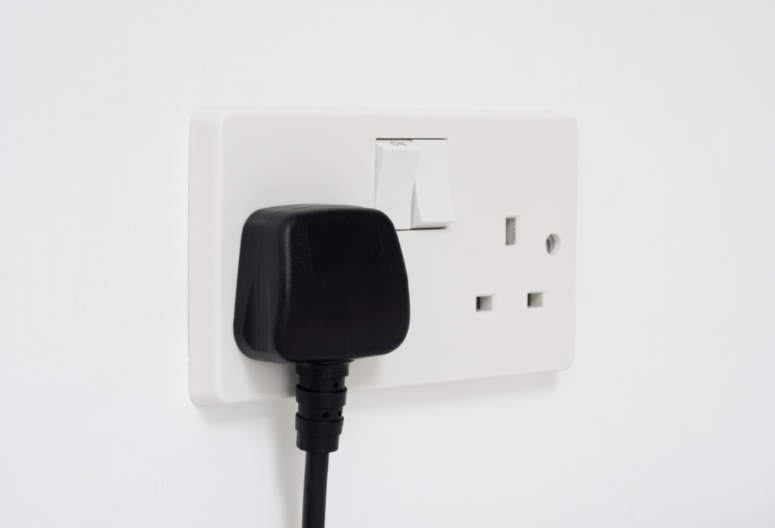
As a landlord, you have a raft of responsibilities to your tenants to safeguard their health and welfare while living in your property. Electrical safety is a key area as the risk of a major accident is high should something go wrong.
While you should always rely on specialist electrical contractors to carry out inspection and maintenance work on your behalf, you may wish to undertake expert training yourself, the benefits of which we’ll explore in this article.

1. Protect Your Tenants
The Grenfell Tower disaster of 2017 highlighted the dangers of fires in private and social housing. While other factors played a role in accelerating the spread of the blaze, the initial fire in Flat 16 was the result of an electrical fault in a fridge-freezer. As well as defective appliances, faulty wiring poses a serious danger to life, as it can cause electrocution or fire, while a shortage of sockets encourages tenants to overload circuits, placing them at serious risk of harm.
Landlords who employ professionally trained electricians in electrical safety are in the best place to identify potential hazards and take prompt remedial action to protect their tenants.
2. Safeguard Your Assets
The cost of fire restoration is difficult to quantify as it depends on the extent of the blaze, the type, and age of the property, and the furnishings and fittings affected. A specialist clean-up after a fire costs an average of £12,000, so the cost of complex structural repairs could stretch into the tens of thousands. In the UK, more than 15 per cent of fires in residential buildings are caused by electrical faults or failures, which, if a fire ensues, means expensive repairs and lost income.
By obtaining an electricity safety certificate for landlords, you can reduce the risk of a fire in your property, protecting your valuable asset against the dangers of faulty electrics.
3. Reduce Your Liability
As a landlord, it’s your legal responsibility to ensure that all necessary measures are taken to protect the tenants living in your property. The Electrical Safety Standards in the Private Rented Sector Regulations 2020 dictate that landlords must ensure that national safety standards are met, while separate fire safety legislation stipulates the necessary actions to mitigate the risk of fires.
Landlords who fail to comply with regulations may be subject to heavy fines or imprisonment. If an electrical accident occurs, they may also be liable for damages or compensation for injuries if they have neglected to meet all relevant safety standards.
4. Comply With Insurance Requirements
If you’re letting property for residential tenants, you will almost certainly need to arrange specialist buildings and contents insurance, which may insist on measures to keep your property safe. Meeting electrical safety standards is usually a mandatory requirement; a failure to observe these could result in insurance being declared invalid if you had to make a claim.
By obtaining an electrical safety certificate for your property issued by a competent electrician, you’ll be able to prove that your property complies with all insurance requirements.
5. Save Money
Finally, by attending Electrical Safety Awareness and Electrical Safety Management courses, you’ll gain a greater appreciation of the importance of electrical maintenance, as you’ll be able to identify potential problems before they cause extensive damage. A preventive approach to maintenance helps to avoid the costliest repairs and replacements in the long run.
Find Out More
To stay abreast of the latest electrical safety regulations for your property, take a look at our comprehensive range of courses for landlords, or feel free to get in touch with PTT today.

Image Source: Canva


